Increase Storage Efficiency Through Compact Card Cases With Multiple Compartments
Most wallets fail long before their leather wears out. Bulk builds as receipts and transit passes pile together. Divided compartments fix this by giving each item a home. In a card holder for men, internal layout outweighs logo or color. A thoughtfully partitioned case carries the same load with far less thickness. Commuters feel the difference the moment they sit down. Slot geometry, material, and sorting habits each matter here. Pocket comfort follows from getting those three right.
Dedicated Slots Stop Cards From Stacking
Loose cards pressed together behave like a deck. Pulling one often drags two more along with it. Separate slots let each card slide free alone.
Eight cards across four slots sit flatter than one stack. Thickness spreads evenly rather than bulging at the center. Chip surfaces also collect fewer scratches from grinding.
Why Does Compartment Depth Change Capacity?
Depth decides whether a slot grips or swallows its contents. Getting it right lets one case serve several roles.
- Shallow front slots hold the daily payment card.
- Deeper rear sleeves keep backup IDs well protected.
- A central gusset accepts folded notes without strain.
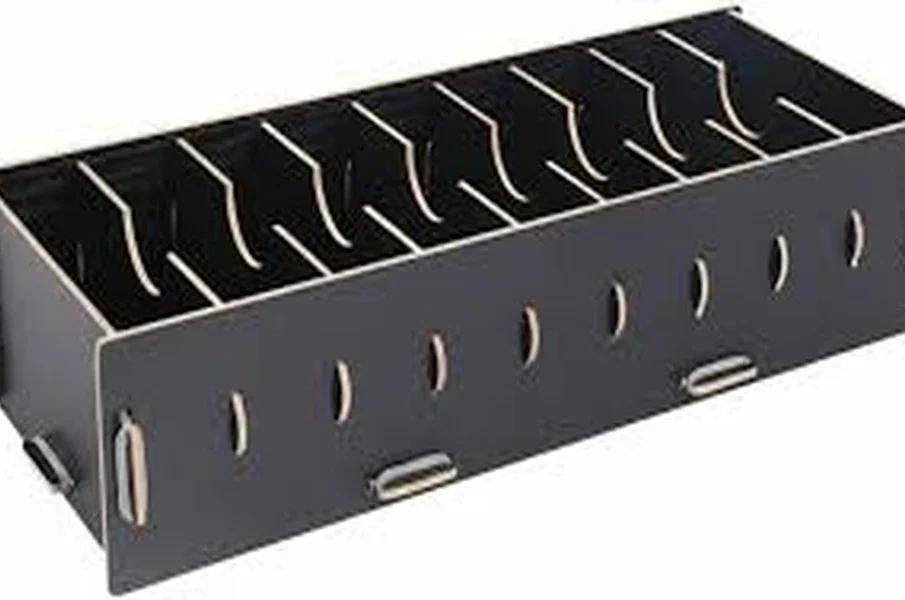
- Stepped heights let every card edge show separately.
Material Stiffness Shapes Slot Durability Over Time
Soft leather stretches with use, loosening tight slots in months. Full-grain hides resist this better than split or bonded versions. Aluminum and carbon-fiber shells never stretch at all.
Their tradeoff is rigidity, which caps what each section accepts. Saffiano-textured leather sits between both, holding shape yet flexing slightly. For heavy daily use, that middle ground lasts longest.
Can One Slim Case Replace a Wallet?
Commuters with four to six cards can switch painlessly. A well-built card holder for men covers daily essentials comfortably. Cash becomes the main limit.
A center pocket fixes that, storing a few folded notes. Coins, though, still need another home. Tap-to-pay habits have narrowed that gap for routine errands.
What Sorting Habits Keep Compartments Efficient?
Structure only helps when contents follow a system. A short weekly sort prevents slow buildup. Five quick rules keep each compartment honest.
- Front slots hold daily cards.
- Rear sleeves store rarely used ones.
- Receipts leave the case nightly.
- Expired cards get shredded promptly.
- Gift balances move to phone apps.
Matching Case Layout to Daily Routine
No single layout fits every routine. Flat front-loading cases suit jeans, where pocket depth runs tight. A pull tab on vertical designs lifts buried cards upward.
Bifolds double capacity but add a crease of thickness. Office workers wearing ID badges favor the vertical style. Frequent travelers lean toward bifolds with an extra cash sleeve.
Eight Cards, Four Slots, Zero Bulge
Sit down with a loaded case in a front pocket. A well-sorted one vanishes there. A crammed one digs into the thigh by lunchtime. That gap traces back to eight cards spread across four slots. Stretched leather widens it further each month. Stiffer slots postpone that drift for years. Good organization is measured by what the body stops noticing.
FAQs
How many cards fit comfortably in a compact case?
Four to eight cards suit most slim multi-slot designs. Beyond that range, the flat profile starts to bulge.
Is leather or metal better for a card case?
Leather molds to the pocket and feels warmer in hand. Metal resists wear and stretching but limits flexible capacity.
Do multiple compartments block card skimming?
Ordinary compartments offer no skimming protection on their own. Buyers wanting that safeguard should check for an RFID-blocking layer.
How often should a card case be decluttered?
A weekly check stops receipts and old cards from piling up. Leather models also benefit from conditioning every few months.